
Stress is something we all encounter at various points in our lives, but not everyone is consumed by it. You may have noticed people who always seem calm under pressure, resilient in challenging situations, and full of energy even when life gets hectic. What’s their secret? Are they superhuman? Not quite—it all comes down to habits. Welcome to “14 Habits Of People Who Never Get Stressed,” where we’ll break down the specific practices that keep these zen masters smiling and stress-free, all while balancing life’s demands.

By the end of this guide, you’ll have actionable insights to adopt these habits into your own life. With a little time and practice, you too can cultivate a stress-proof mindset.
Introduction to Stress-Free Living
Before we jump into the 14 habits of people who never get stressed, it’s important to highlight why these practices work. Stress isn’t just an emotional challenge; it’s a biological response. When we’re stressed, our bodies release hormones like cortisol and adrenaline, which can take a toll on our mental clarity, physical health, and overall well-being.
The key difference between chronically stressed individuals and those who glide through life with ease is how they manage their responses to challenges. Stress-free individuals don’t lead worry-free lives—they’ve just honed habits that allow them to handle stress constructively.
Sound good? Great! Now, here are the 14 powerful habits of people who never get stressed.
1. They Start Their Day with Mindfulness
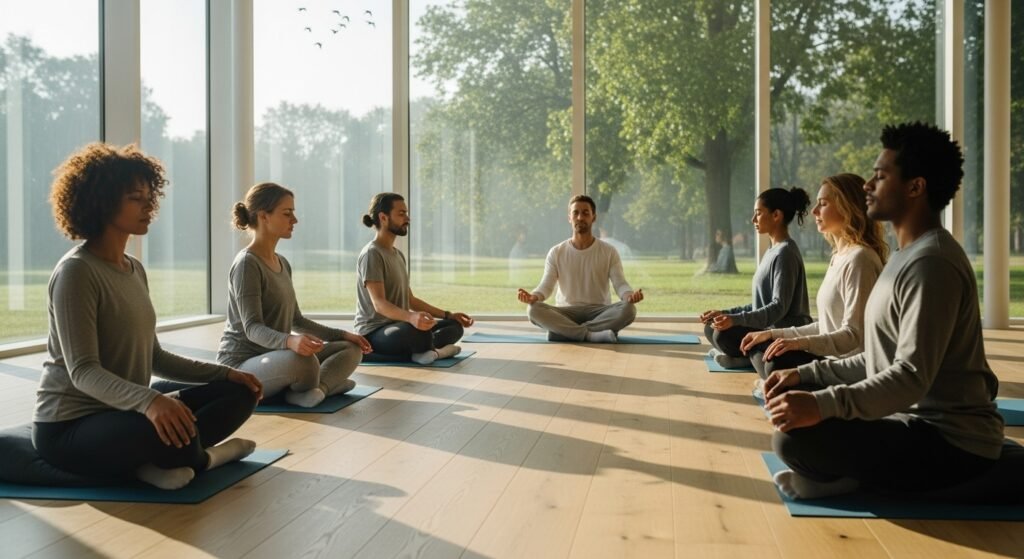
One of the hallmarks of people who don’t get stressed is their ability to maintain a sense of calm from the moment they wake up. Practicing mindfulness in the morning helps to set a positive tone for the day.Mindfulness is the practice of being fully present in the moment, aware of your thoughts, emotions, and surroundings without judgment. By starting their day with mindfulness exercises such as meditation, deep breathing, or mindful journaling, stress-free individuals set a calm and focused tone for the day ahead. This habit helps them cultivate inner peace, increase self-awareness, and approach challenges with a clear and steady mind.
How to Apply This Habit:
- Meditate for 10-15 minutes upon waking.
- Try breathing exercises like box breathing (inhale for 4 seconds, hold for 4 seconds, exhale for 4 seconds, hold again for 4 seconds).
- Focus on gratitude by listing three things you’re thankful for.
Through consistent mindfulness, you’ll enter each day with greater focus and a more balanced mindset.
2. They Avoid Overcommitting
One of the quickest paths to burnout is taking on too much. People who never get stressed have learned the power of saying “no.” They value their time and energy, which allows them to direct their focus where it truly matters.Overcommitting can lead to unnecessary stress and burnout, which hampers both productivity and overall well-being. By setting realistic boundaries and priorities, successful individuals ensure that they allocate their time and energy effectively. This involves assessing commitments carefully and learning to say no when necessary. Avoiding overcommitment empowers them to focus on meaningful tasks, maintain high-quality work, and reserve time for rest and self-care. Recognizing their limits allows them to stay resilient and avoid feeling overwhelmed.
How to Apply This Habit:
- Create a “priority list” instead of a traditional to-do list.
- Learn the art of assertive communication to politely decline extra responsibilities.
- Delegate tasks whenever possible.
Remember, saying “no” to one thing means saying “yes” to your well-being.
3. They Move Their Bodies Regularly

Exercise is a natural stress reliever. Physical activity helps to release endorphins, known as the “feel-good” hormones, which naturally counteract the effects of cortisol.Regular physical activity is a common habit among those who maintain a balanced and stress-free life. Exercise helps to release endorphins, also known as “feel-good hormones,” which naturally elevate mood and reduce stress levels. Whether it’s a daily walk, yoga session, or intense workout, moving the body consistently promotes mental clarity, improves sleep quality, and boosts overall energy. Additionally, staying active helps to build resilience against stress by allowing the body to release built-up tension. Making movement a daily priority doesn’t have to involve hours at the gym; even small, consistent efforts can lead to significant benefits over time.
How to Apply This Habit:
- Aim for 30 minutes of exercise, at least 5 times a week.
- Incorporate activities such as yoga, running, swimming, or even a brisk walk.
- Keep it fun by choosing workouts that you genuinely enjoy.
Movement doesn’t have to be intense—what matters is consistency.
4. They Stay Organized
Clutter—whether it’s physical, emotional, or digital—can contribute to stress. Stress-free individuals keep things neat and structured.Staying organized is a key habit that helps successful individuals manage their time, prioritize tasks, and reduce unnecessary stress. By maintaining a clear structure to their day, they can focus on what matters most without feeling overwhelmed. This often involves using tools like planners, to-do lists, or digital apps to track their responsibilities and deadlines. A clean and organized workspace also plays a crucial role, as it minimizes distractions and fosters a productive mindset. Organization isn’t just about keeping things tidy—it’s a strategy to create clarity and achieve goals more efficiently.
How to Apply This Habit:
- Use tools like planners or time management apps to stay on top of tasks.
- Declutter your living and working spaces regularly.
- Create routines to simplify daily decisions, like meal planning or pre-setting outfits for the week.
An organized environment leads to a clear mind.
5. They Keep a Positive Inner Dialogue

The way we talk to ourselves has a tremendous impact on our stress levels. People who never get stressed practice self-compassion and positive self-talk.Maintaining a positive inner dialogue is essential for fostering mental resilience and self-confidence. The way we talk to ourselves shapes how we perceive challenges and opportunities. Negative self-talk can create unnecessary self-doubt and hinder progress, while positive affirmations encourage growth and motivate action. A stress-free individual consciously reframes negative thoughts, choosing to focus on solutions instead of problems. This habit not only boosts mental health but also creates a more optimistic outlook on life, contributing to overall happiness and success.
How to Apply This Habit:
- Counter negative thoughts by reframing them. For instance, replace “I’m so bad at this” with “I’ll keep improving with practice.”
- Practice affirmations daily.
- Avoid overly critical inner dialogue—treat yourself as you would a close, supportive friend.
Positivity isn’t about ignoring reality—it’s about choosing empowerment over defeat.
6. They Prioritize Restful Sleep
No matter how hectic life gets, individuals who don’t get stressed make sleep non-negotiable. Sleep is when our bodies repair and reset, preparing us to face another day head-on.Sleep is a fundamental pillar of both physical and mental health, yet it’s often overlooked in our busy lives. Restful sleep allows the body to repair itself, supports cognitive functions such as memory and problem-solving, and plays a vital role in emotional regulation. Without adequate sleep, stress levels can increase, productivity can decline, and long-term health risks may emerge, including issues like weakened immunity, heart disease, and mood disorders. Prioritizing quality sleep involves creating a bedtime routine, limiting screen time before bed, and ensuring a comfortable sleep environment. By valuing rest, you set the foundation for resilience and well-being in both your personal and professional life.
How to Apply This Habit:
- Aim for 7-9 hours of quality sleep per night.
- Create a bedtime routine, such as reading or listening to calming music.
- Avoid screens for at least an hour before bed.
When we’re well-rested, life’s challenges feel a little more manageable.
7. They Practice Gratitude
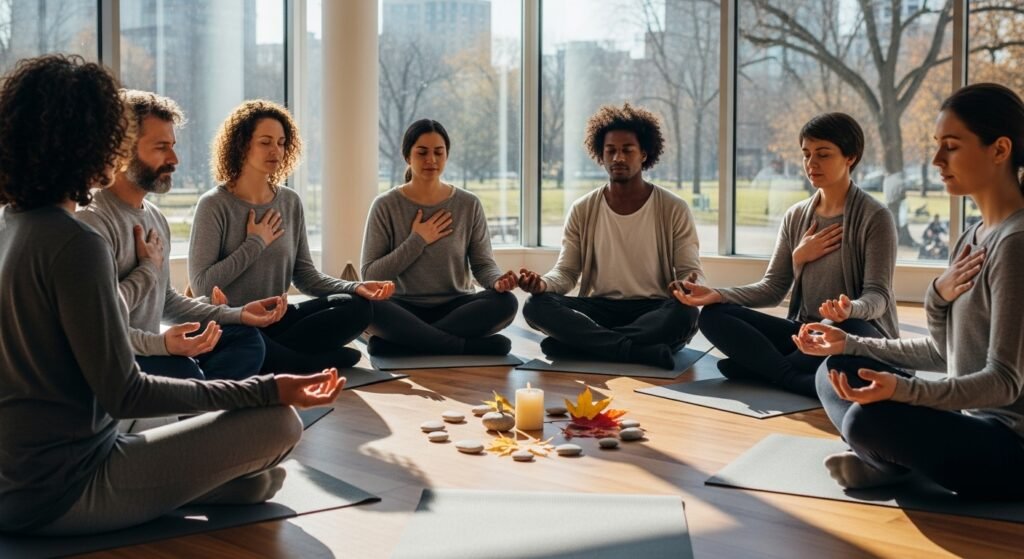
Gratitude is a stress-fighter that shifts your focus from what’s going wrong to what’s going right. Gratitude rewires your brain to notice the positive moments in life.Gratitude is a powerful practice that can transform one’s mindset and enhance overall well-being. By focusing on the positive aspects of life, individuals can shift their perspective away from stress and negativity. Practicing gratitude doesn’t have to be complicated—it can be as simple as taking a moment each day to acknowledge and appreciate the things, people, or experiences that bring joy or fulfillment. Research has shown that regularly practicing gratitude helps reduce stress, improve relationships, and even boost mental health. By cultivating this habit, individuals nurture a sense of contentment and resilience, making it easier to approach life’s challenges with an optimistic outlook.
How to Apply This Habit:
- Keep a gratitude journal and write down three things you’re thankful for every day.
- Express gratitude verbally to friends, family, or colleagues.
- Reflect on simple pleasures, like a warm cup of coffee or birds chirping in the morning.
Gratitude fosters resilience in tough times.
8. They Build Strong Relationships
Having a reliable support network reduces stress significantly. Whether it’s family, friends, or colleagues, connecting with others boosts a sense of belonging.Building strong relationships is a cornerstone of mental and emotional well-being. Meaningful connections provide support, companionship, and a sense of belonging, all of which are essential for resilience and happiness. Investing time and effort into cultivating these relationships helps establish trust and mutual understanding. Whether it’s spending quality time with loved ones, offering a listening ear, or simply being there during challenging moments, these actions strengthen bonds. Strong relationships also enhance communication skills and empathy, creating a positive feedback loop that benefits all aspects of life.
How to Apply This Habit:
- Make time for social activities, even during busy periods.
- Build relationships based on trust and reciprocity.
- Don’t be afraid to ask for help when you need it.
Healthy relationships act as a buffer against stress.
9. They Take Regular Breaks

Burnout isn’t in the vocabulary of people who don’t get stressed, thanks to their commitment to taking breaks. They understand that working non-stop isn’t a badge of honor—it’s a fast-track to overwhelm.Taking regular breaks is essential for maintaining productivity and mental clarity. Continuous work without intervals can lead to burnout, decreased efficiency, and heightened stress levels. Stepping away from tasks, even for short periods, allows the brain to recharge and refocus, improving creativity and problem-solving abilities. Breaks can take various forms, such as stretching, walking, meditating, or simply stepping outside for fresh air. By intentionally scheduling breaks throughout the day, individuals can maintain their energy, stay motivated, and ultimately perform better in both professional and personal endeavors.
How to Apply This Habit:
- Follow the “Pomodoro Technique” by working in 25-minute intervals with 5-minute breaks.
- Step away from your workspace during lunch.
- Plan regular vacations or staycations to recharge.
Short breaks lead to big bursts of productivity.
10. They Set Boundaries
People who never get stressed know the importance of establishing healthy limits. Boundaries protect your energy, time, and well-being.Setting boundaries is a powerful habit that helps protect time, energy, and mental well-being. Successful individuals understand the importance of saying “no” when necessary, ensuring that their commitments align with their priorities and values. They set clear limits on work hours, personal availability, and even social engagements to prevent spreading themselves too thin. By doing so, they create a healthy work-life balance, reduce stress, and maintain focus on what truly matters. Establishing boundaries isn’t selfish—it’s essential for sustainable success and maintaining long-term relationships.
How to Apply This Habit:
- Communicate your needs clearly and respectfully.
- Limit exposure to toxic environments or relationships.
- Create “non-negotiables,” like not checking work email after a certain time.
Boundaries aren’t selfish—they’re essential
11.Do Yoga
Yoga is a holistic practice that combines physical postures, breathing exercises, and meditation to promote relaxation and reduce stress. Engaging in yoga regularly can help calm your mind, improve flexibility, and enhance overall well-being. It encourages mindfulness and presence, allowing you to feel more grounded and resilient in the face of life’s challenges. Whether you’re a beginner or experienced practitioner, yoga offers a wide range of styles and levels to suit your needs.
12. Write It Down

Writing can be a powerful tool for self-expression, reflection, and stress management. Keeping a journal or simply jotting down your thoughts allows you to process emotions, gain clarity, and better understand your experiences. It can also help you track progress toward personal goals and provide a space to cultivate gratitude by noting things you’re thankful for. Whether it’s a few sentences a day or a detailed account of your feelings, making writing a habit can enhance your mental well-being and foster personal growth.
13. Remind Yourself: Nothing Lasts Forever
Life is filled with moments that are both fleeting and transitional. Remembering that nothing lasts forever gives you the perspective to endure tough times and cherish the good ones. Challenges, no matter how overwhelming they may feel, are temporary and will pass with time. Similarly, moments of joy and triumph are precious because of their impermanence. By keeping this perspective, you can find balance, cultivate gratitude, and approach both struggles and successes with a calm and grounded mindset.
14. Practice Self-Discipline
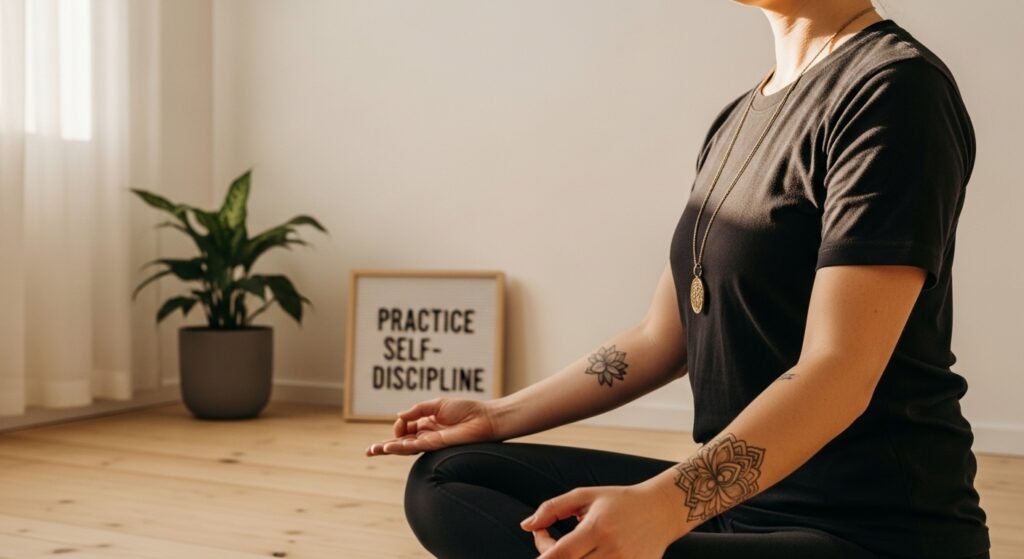
Self-discipline is a vital skill that empowers you to stay focused and work toward your goals, even in the face of distractions or challenges. It involves cultivating habits that promote consistency, learning to delay gratification, and holding yourself accountable for your actions. By setting clear priorities, creating achievable routines, and reinforcing positive behavior, you build the foundation for long-term success. Practicing self-discipline not only enhances productivity but also strengthens your ability to overcome obstacles and adapt to life’s demands with determination and resilience.
Final Words on Stress-Free Living
Adopting these 14 habits of people who never get stressed won’t eliminate pressure from your life—but that’s not the goal. The aim is to develop strategies that allow you to face challenges with confidence, calmness, and perspective. The best part? Small changes make big differences.
Start by implementing one or two habits from this list, and as they become second nature, add more to your routine. Over time, you’ll find that life feels lighter, and stress no longer has the same hold on you.
Say goodbye to overwhelm and hello to a happier, more balanced you.