
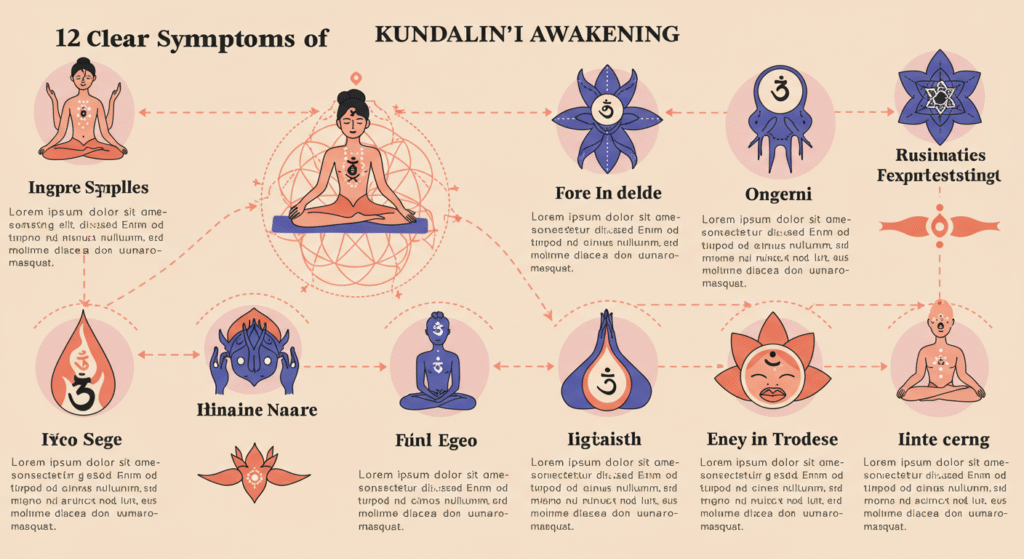
Kundalini awakening is a profound spiritual phenomenon, marked by an activation of one’s inner energy. For many, it sparks a life-changing transformation, unlocking higher states of consciousness and bringing a deeper understanding of existence. While the experience can be deeply enriching, the symptoms of Kundalini awakening can sometimes feel overwhelming without proper understanding or guidance.
This post will walk you through 12 clear symptoms of Kundalini awakening, what they mean, and how you can manage them as part of your spiritual evolution. Whether you’re just beginning to research the signs of Kundalini energy awakening or you’re experiencing these transformations firsthand, this guide will provide clarity, support, and actionable tips.
What Is Kundalini Awakening?
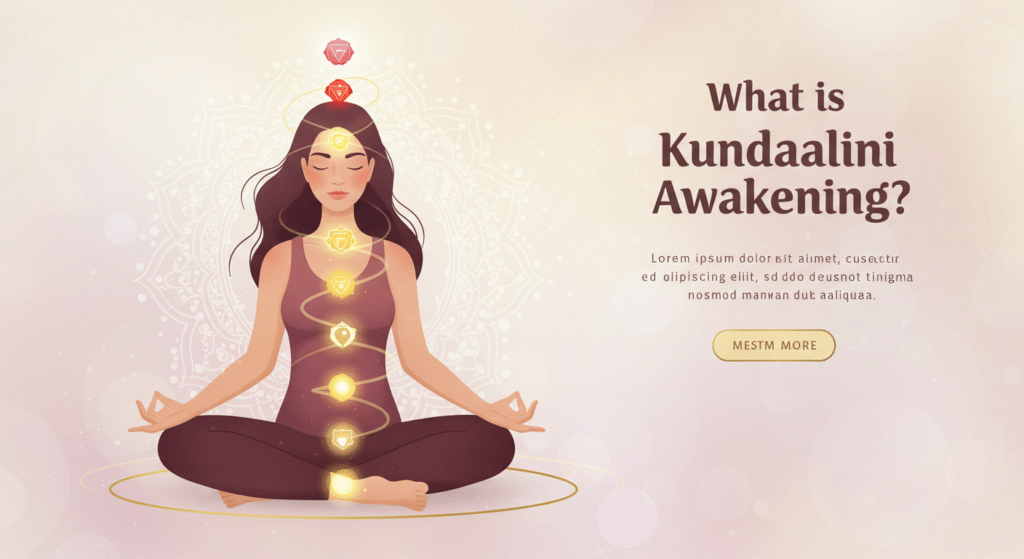
Kundalini awakening occurs when dormant energy at the base of your spine – often referred to as “serpent energy” in spiritual traditions – rises through the chakras and activates a state of heightened awareness. It’s often described as a spiritual awakening that breaks through physical, emotional, and even existential barriers.
The significance of Kundalini awakening lies in its power to amplify energy, elevate consciousness, and deepen one’s connection to the divine. While it’s a desirable state for those on a spiritual path, the process isn’t always seamless or easy. Recognizing the symptoms and understanding how to manage them is key to navigating this experience with grace and balance.
1. Sudden Energy Shifts
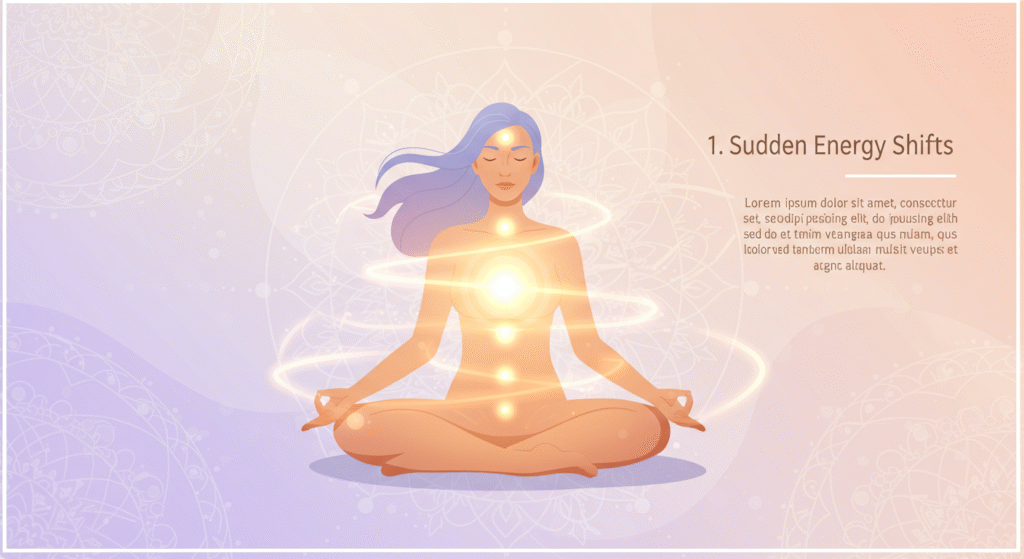
One of the most common signs of Kundalini awakening is the experience of sudden energy shifts within the body. These surges of energy can feel intense, like waves pulsating through the spine, and are often described as heat or vibration. This is the awakening life force energy traveling through the chakras, working to clear blockages and realign the energy centers. While these shifts can bring heightened states of awareness and bliss, they may also feel overwhelming and chaotic, especially if one is unprepared. Grounding practices, such as meditation, yoga, or spending time in nature, can help stabilize these energetic transformations and create a sense of balance during the process.One of the most notable symptoms of Kundalini awakening is the sudden surge of internal energy. This sensation often starts at the base of the spine, moving upwards through the chakras.
How It Feels
You may experience this as moments of intense heat, vibrations, or even tingling that travels up your body. This energy shift can feel exhilarating but also disorienting, especially if you’re unprepared.
Managing Sudden Energy Surges
- Stay Grounded: Practice grounding techniques, such as walking barefoot outdoors or holding grounding crystals like hematite.
- Meditative Breathing: Deep, controlled breaths can help to regulate this newfound energy.
2. Heightened Sensitivity
Kundalini awakening often amplifies your sensitivity to external stimuli, including light, sounds, smells, and even the emotions of others.With heightened sensitivity, you may find yourself more attuned to the emotions and energies of others, as well as to environmental changes. This can manifest as an increased awareness of sounds, lights, and even subtle shifts in your surroundings. While this newfound sensitivity can feel overwhelming at times, it is also an opportunity to cultivate deeper empathy and understanding. To manage this, consider setting healthy boundaries to protect your emotional well-being and practicing mindfulness to stay present in the moment. Recognizing this sensitivity as part of your energetic growth can help you harness it constructively.
Why It Happens
As your energy awakens, your perception sharpens, making you more attuned to your surroundings. While this can lead to a deeper appreciation of beauty, it can also feel overwhelming in crowded or chaotic environments.
How to Adjust
- Minimize exposure to overwhelming environments.
- Use meditation or sound baths to recalibrate your energy field.
- Carry calming aids like lavender oil or noise-canceling earplugs.
3. Intense Emotional Releases
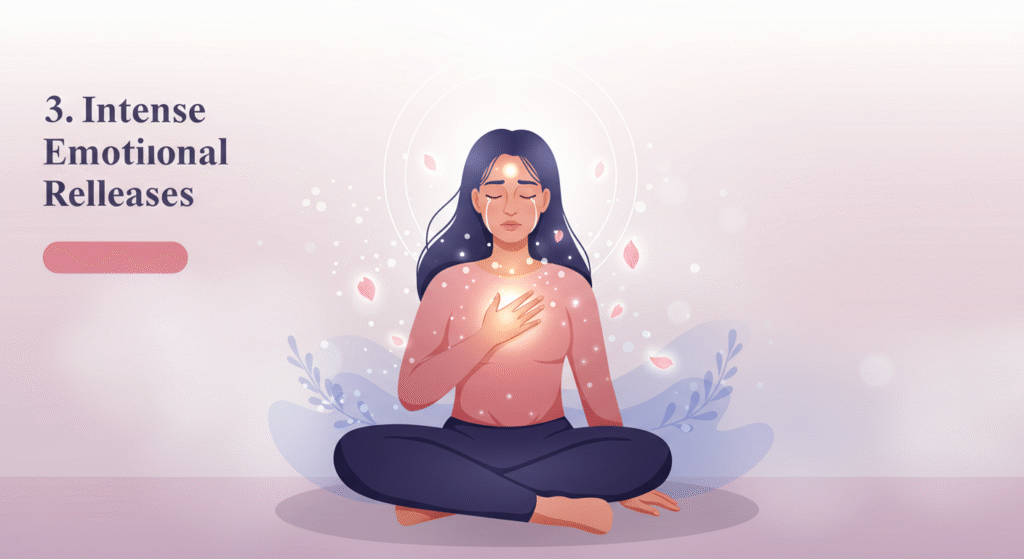
When the Kundalini energy stirs, it brings unresolved emotions to the surface. You might find yourself crying, laughing, or feeling anger without a clear reason.Intense emotional releases often occur as part of inner healing and transformation. When old traumas, suppressed feelings, or unresolved experiences surface, they do so to finally be acknowledged and released. This process is a natural way for your body and mind to clear the emotional blockages that no longer serve you, paving the way for personal growth and emotional freedom.
How to Navigate
- Allow yourself to feel without judgment or suppression.
- Journaling can help you process and understand the emotions being released.
- Seek support from a therapist, counselor, or trusted friend if needed.
- Practice self-compassion and remind yourself that emotional release is a sign of healing.
When the Kundalini energy stirs, it brings unresolved emotions to the surface. You might find yourself crying, laughing, or feeling anger without a clear reason.
The Deeper Meaning
This emotional release is part of the cleansing process, allowing you to shed old patterns and past traumas.
Practical Tips
- Journaling: Write down your emotions to process them more effectively.
- Seek Support: Talking with a spiritual mentor or a trusted friend can provide relief.
4. Vivid Dreams and Visions
Vivid dreams and visions are often an indication that your subconscious mind is deeply engaged in the process of spiritual transformation. These dreams may be symbolic, offering insights into your inner state or highlighting unresolved emotions and fears. At times, they can feel intense or even surreal, leaving a lasting impression upon waking. Such experiences are your mind’s way of processing and integrating the spiritual shifts taking place. To better understand these dreams, consider keeping a dream journal and reflecting on recurring symbols or themes. Over time, patterns may emerge, providing clarity and guiding you further on your spiritual path.
What They Indicate
These dreams often carry insights or spiritual guidance helping you progress on your path. Pay attention to recurring symbols or themes.
How to Interpret
- Keep a dream journal beside your bed to document your experiences.
- Research dream symbolism to identify patterns or meanings.
5. Physical Symptoms

When experiencing a Kundalini awakening, physical symptoms are common and can vary greatly from person to person. These symptoms may include sensations of heat or energy moving through the body, chills, tingling, or even spontaneous movements such as shaking or jerking. Such experiences are often the result of energy blockages being released as Kundalini energy rises through the chakras. While these symptoms can feel intense or unfamiliar, they are usually temporary and a natural part of the process. Practicing grounding techniques, such as meditation, yoga, or spending time in nature, can help ease discomfort and support the body as it adjusts to the rising energy. If symptoms become overwhelming, it’s important to seek guidance from a teacher or healer experienced with Kundalini energy.
Why the Body Reacts
Your physical body is adjusting to the higher frequency of your spiritual energy, which can feel physically taxing.
Self-Care Recommendations
- Rest: Give your body time to recover.
- Hydrate: Drink plenty of water to aid in detoxification.
- Gentle Yoga: Focus on poses that support energetic alignment, like child’s pose or downward dog.
6. Chakra Activity
Heightened chakra activity is often experienced as tingling sensations, pressure, or warmth around specific areas of the body associated with the energy centers. For example, you might feel pressure in your forehead, which relates to the third eye chakra, or a warmth in your chest connected to the heart chakra. These sensations emerge as blocked or stagnant energy begins to flow more freely, signifying a shift in your energetic system. This can be a sign of spiritual growth, as your chakras are aligning with higher vibrations. It’s essential to remain patient during this process and support your body with grounding practices, such as meditation or spending time in nature, to help balance this energetic transformation.
You may feel intense sensations at specific points along your spine, corresponding to the chakra system.
Symptoms to Look For
- A pulsing sensation in the forehead (third eye chakra).
- A feeling of pressure in the chest (heart chakra).
How to Support Chakra Balance
- Meditation with Focus: Visualize each chakra and its associated color during meditation.
- Reiki: Explore energy healing techniques to align your chakras.
7. Change in Sleep Patterns
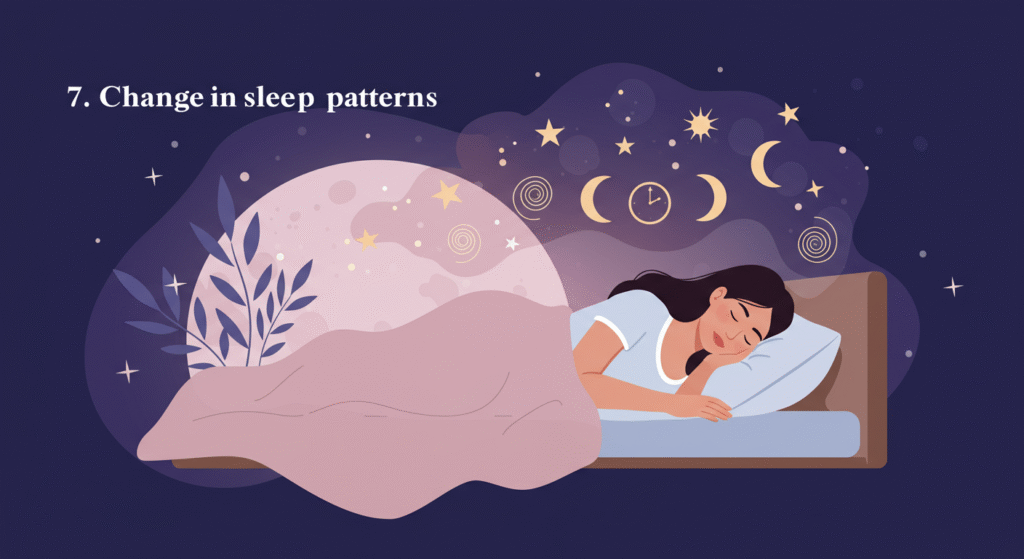
A change in sleep patterns may occur as your body adapts to energetic shifts. You might experience periods of restless sleep, vivid dreams, or even waking up at unusual hours. These changes can be tied to your body’s natural response to spiritual growth and energy realignment, requiring more time for processing and healing during rest. It is important to honor your body’s needs during these times and establish a calming nighttime routine, such as practicing deep breathing exercises, limiting screen time before bed, or drinking herbal teas like chamomile to encourage restorative sleep.
Why This Happens
This is often referred to as the “spiritual hour,” a time when messages from your higher self or spirit guides become more accessible.
How to Adapt
- Use this time for quiet meditation or journaling.
- If insomnia persists, consider herbal teas like chamomile or valerian root.
8. Detachment from the Ego
Detachment from the ego is a profound and often challenging aspect of Kundalini awakening. It can feel disorienting at first, as your sense of self and identity begins to shift. The ego, which is largely responsible for your attachment to labels, roles, and societal expectations, starts to lose its grip. This detachment can lead to feelings of liberation and inner peace, as you begin to resonate more with your true, authentic self. However, it may also bring moments of discomfort or confusion as old patterns and beliefs dissolve. Recognizing this as a natural part of the spiritual process can help you stay grounded. Focus on practices like mindfulness and self-compassion to ease the transition.
The Significance
This detachment allows you to live more authentically, free from societal expectations or limiting beliefs.
Integrating this Change
- Practice mindfulness to stay present.
- Read spiritual texts to deepen your understanding of ego dissolution.
9. Connection with Nature

Connecting with nature can be a transformative experience, helping to ground you and foster a sense of harmony with the world around you. Spending time in natural settings promotes relaxation and reduces stress, allowing you to feel more balanced and centered. Whether it’s taking a walk in the forest, watching the sunrise, or simply sitting in a park, nature offers a profound reminder of the interconnectedness of all life. This connection can help you tap into feelings of gratitude, awe, and inner peace, reinforcing a sense of purpose and belonging. By prioritizing time in nature, you nurture not only your physical well-being but also your emotional and spiritual growth.
How to Deepen This Connection
- Spend time in nature daily, even if it’s just a short walk.
- Incorporate eco-conscious practices into your lifestyle.
10. Heightened Intuition
Heightened intuition is one of the most fascinating aspects of a Kundalini awakening. This enhanced sense of perception allows you to tap into insights that might have previously gone unnoticed. You may find yourself having an unexplainable knowing of events before they happen or understanding people’s emotions and motivations on a deeper level. This intuitive clarity can guide you in making decisions that align closely with your life’s purpose, helping you to trust yourself and the universe more fully. It’s a gift that strengthens with practice, patience, and mindfulness.
How to Trust Your Inner Voice
- Meditate to quiet the mind and tune into your intuition.
- Start a “synchronicity journal” to track significant moments.
11. Feeling of Oneness
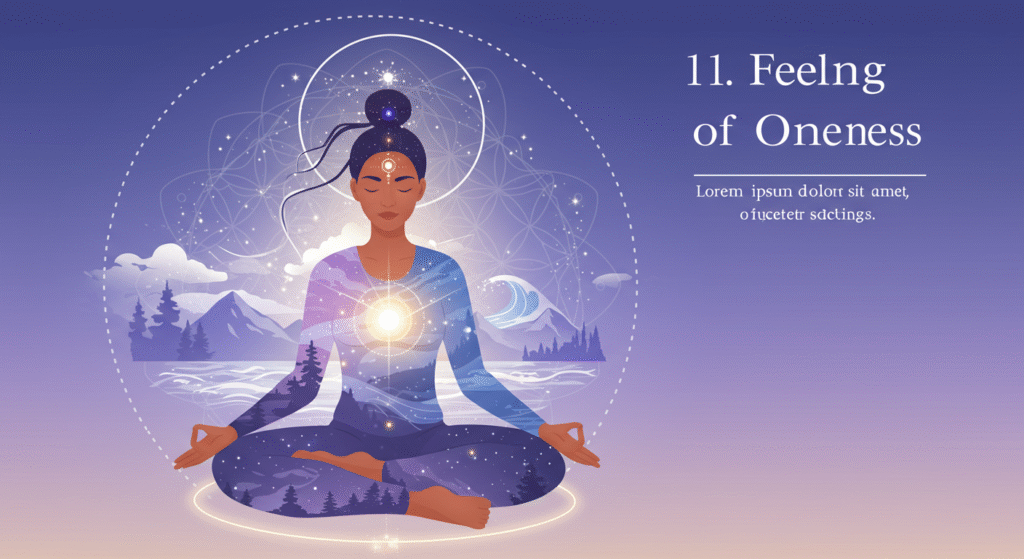
The feeling of oneness is a profound sense of connection with everything around you—people, nature, and the universe as a whole. It transcends the boundaries of individuality and cultivates a deep awareness that we are all part of a greater whole. This state often arises during moments of stillness, spiritual practice, or experiences of awe. When you feel oneness, it can lead to greater compassion, empathy, and a strong sense of interconnectedness. Recognizing this unity encourages harmony in relationships, a deeper respect for the environment, and an overall sense of belonging in the grand tapestry of life.
Tips for Grounding Yourself
- Connect with others who share similar spiritual experiences.
- Gratitude journaling can help anchor this sense of wonder.
12. A Desire to Help Others
When experiencing a profound desire to help others, it often stems from a heightened sense of empathy and interconnectedness. This shift in perspective can inspire acts of kindness, a passion for charitable work, or simply a greater willingness to support loved ones and strangers alike. Many who go through spiritual transformations find that helping others becomes a natural extension of their own growth, as it fosters deeper fulfillment and meaning. This altruistic drive is not only a sign of personal evolution but also a way to contribute positively to the collective well-being of humanity.
How to Channel This Energy
- Volunteer for causes you care about.
- Share your story to inspire and guide others.
Conclusion
Kundalini awakening is a powerful, life-affirming process, but the symptoms can be unexpected and overwhelming without the right tools. Recognizing these 12 signs and managing them proactively can help you find balance as you continue your spiritual evolution.
Take time to honor your path, use grounding techniques, and lean into the wisdom this experience offers. If you’re ready to deepen your exploration, consider consulting with a spiritual guide or seeking supportive communities where you can share and grow.
Your spiritual awakening is a unique and beautiful transformation—embrace it, and trust that it will lead you to your true self.
FAQs
1. What is a spiritual awakening?
A spiritual awakening is a profound shift in consciousness where an individual begins to question their beliefs, feel more connected to their true self, and seek a deeper understanding of life and existence.
2. How do I know if I’m experiencing a spiritual awakening?
Signs of a spiritual awakening can include heightened self-awareness, feeling disconnected from old routines, intense emotions, a desire for solitude, and a deeper sense of purpose.
3. Is a spiritual awakening a one-time event?
Not necessarily. Spiritual awakening can be an ongoing process or occur in stages throughout a person’s life as they continue to evolve and grow spiritually.
4. What challenges come with a spiritual awakening?
Challenges can include feelings of isolation, confusion, or discomfort as old beliefs and patterns fall away. However, these challenges are part of the transformation and growth process.
5. How can I support myself during a spiritual awakening?
Supporting yourself during a spiritual awakening involves practicing self-care, seeking guidance from mentors or spiritual communities, meditating, and being patient with the process as it unfolds.